Day trading
Buying and selling investments within the same trading day to profit from short-term price moves, closing all positions before the market shuts.
Also called: intraday trading
A day trader opens and closes positions within a single session, sometimes holding them for only minutes or seconds, so that nothing is carried overnight. Day traders try to profit from small price movements, often using technical analysis, real-time data and a high number of trades, and many use leverage through margin accounts, CFDs or futures to make small moves worthwhile. Every trade incurs costs, including commissions, the bid-ask spread and sometimes financing charges, so a day trader needs gross profits large enough to cover a heavy and constant cost burden before earning anything.
Studies of retail day traders in several countries have found that most lose money over time and very few earn consistent profits after costs. Day traders compete directly with professional firms that have faster systems and better information. Where leverage is used, losses can be large and can exceed the money in the account. In the US, special margin rules have long applied to frequent day traders; the old pattern day trader rules, with their fixed minimum account balance, are being replaced by intraday margin requirements. Day trading is a different activity from long-term investing, which relies on owning businesses and compounding returns over years.
General education, not personal financial, tax or legal advice.
Guides that go deeper
Where day trading comes up in practice.
 Trading & Technical Analysis
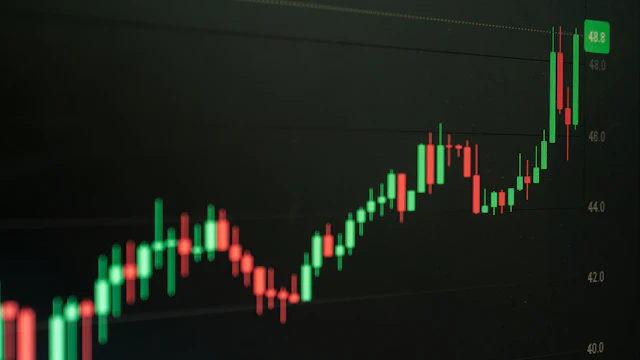
Day Trading Statistics: What the Research Actually Shows
What share of day traders actually make money? Three of the most cited studies — from Brazil, Taiwan and the United States — what they found, and what they have in common.
 Trading & Technical Analysis
The $25,000 Pattern Day Trader Rule Is Gone: What Replaced It in 2026
In April 2026 the SEC approved FINRA’s plan to scrap the pattern day trader rule and its $25,000 minimum. What replaced it, when your broker has to switch, what still applies to small accounts, and why easier day trading is not the same as better odds.
Legendary InvestorsTakashi Kotegawa (BNF): The Japanese Trader Who Made Billions — and Why Almost Nobody Can Copy Him
Known online as BNF, Takashi Kotegawa reportedly turned about ¥1.6 million into billions of yen in less than a decade, including more than ¥2 billion from one famous trading error. His story, and what the statistics say about the traders who try to follow him.