Pepperstone Review 2026: Fees, Platforms, and Who It's For
Founded in Australia in 2010, Pepperstone built its reputation on tight raw spreads and a wide choice of platforms — a strong pick for active forex and CFD traders, not for anyone looking to own assets outright.
What Pepperstone actually offers
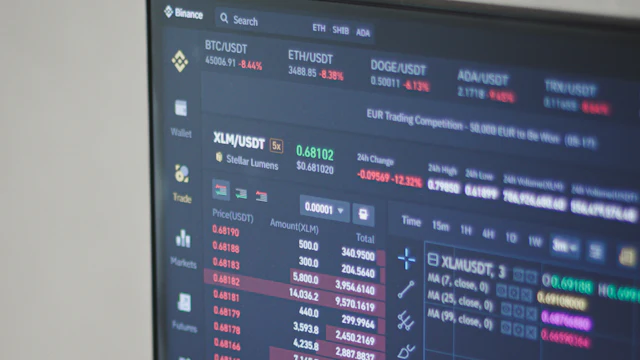
Pepperstone was founded in Melbourne, Australia, in 2010 by Owen Kerr and Joe Davenport, and has since grown into one of the more widely used forex and CFD brokers, particularly among traders who prioritize execution speed and platform choice. Like other brokers in this category, everything traded through Pepperstone — currency pairs, indices, commodities, shares, and cryptocurrencies — is offered as a CFD or, in the case of forex, a leveraged spot contract. Traders are speculating on price movement, not acquiring the underlying asset, and positions are typically held on margin, which magnifies both gains and losses relative to the funds deposited.
Pricing tiers, platforms, and regulation
Pepperstone's account structure gives traders a genuine choice in how they pay. The Standard account rolls all costs into a wider spread with no separate commission, suiting traders who prefer simplicity. The Razor account offers tighter, closer-to-raw-market spreads but charges a separate commission per trade, a structure generally favored by higher-frequency and cost-sensitive traders. Which tier works out cheaper depends on trading style and volume, so it's worth comparing current published figures directly on Pepperstone's site. Platform choice is unusually broad: MetaTrader 4, MetaTrader 5, cTrader, and a TradingView integration for charting and order execution, with Expert Advisor and cBot support for automated strategies. Pepperstone Group operates through multiple regulated entities depending on a client's country of residence, including the Financial Conduct Authority (FCA) in the UK, the Australian Securities and Investments Commission (ASIC), the Cyprus Securities and Exchange Commission (CySEC), the Dubai Financial Services Authority (DFSA), and the Securities Commission of the Bahamas (SCB), among others, with the applicable entity, protections, and leverage limits depending on where the account is opened.
- No minimum deposit is required to open a standard Pepperstone account.
- The Razor account pairs tighter spreads with a per-trade commission; the Standard account folds costs into a wider spread.
- Automated and algorithmic trading is supported across MT4, MT5, and cTrader.
Plain Investor score
Pepperstone
Scores reflect Plain Investor's own methodology as of September 2026 and are not personalized advice. Plain Investor is not affiliated with, sponsored by, or paid by Pepperstone. Always verify current fees, regulation, and features directly with the broker before opening an account. Methodology · How we make money
Pepperstone's pitch isn't a single killer feature — it's giving traders the freedom to pick their own platform and pricing structure and getting out of the way.
Who it's for
Pepperstone is best suited to active forex and CFD traders who value tight spreads, fast execution, and the flexibility to trade through MT4, MT5, cTrader, or TradingView rather than being locked into a single proprietary platform, including those running automated or algorithmic strategies. It's a poor fit for anyone looking to build long-term ownership of stocks, ETFs, or other assets, since everything traded through Pepperstone is a leveraged derivative rather than the underlying instrument itself, and a majority of retail investor accounts lose money when trading CFDs. Fees, features, and regulatory details change over time; always confirm current terms on Pepperstone's own site before opening an account.
This article is educational and general in nature. It isn’t personalized investment, tax, or legal advice — always weigh your own circumstances, or talk to a licensed professional, before making financial decisions.
Keep reading
Related guides on this topic.
 Broker Reviews
Webull Review 2026: Fees, Platforms, and Who It's For
Webull built its name on free, professional-grade charting and paper trading, but its founding ties to a Chinese fintech company have drawn political scrutiny worth understanding before you sign up.
 Broker Reviews
Capital.com Review 2026: CFD Trading, Fees, Regulation and Who It's For
Capital.com is a large, regulated CFD broker with a well-built app, MT4, MT5 and TradingView, spread-based pricing and, since September 2026, commission-free real shares and ETFs in Europe. Here is what it costs, how it is regulated and who it suits.
 Broker Reviews
Plus500 Review 2026: Fees, Platform, and Who It's For
Plus500 is a CFD-only broker with a simple proprietary platform and a spread-based fee model — a straightforward but leveraged way to speculate on price moves, not to own assets.
 Broker Reviews
Saxo Bank Review 2026: Fees, Safety, Platforms and Who It’s For
Saxo Bank is a licensed Danish bank offering direct ownership of more than 19,000 stocks plus bonds, options and futures on dozens of exchanges. Here is what it costs in 2026, how your money is protected, and who its breadth is worth paying for.
 Broker Reviews
Charles Schwab Review 2026: Fees, Platforms, and Who It Suits
After absorbing TD Ameritrade's thinkorswim platform, Schwab pairs commission-free trading with some of the deepest research tools in the industry.
 Broker Reviews
Trading 212 Review 2026: Fees, ISA, SIPP, Interest on Cash and Safety
No commission, a 0.15% currency fee, interest on cash and an ISA, cash ISA and SIPP in one app: what Trading 212 really costs in 2026, how your money is protected, and where it falls short.