Webull Review 2026: Fees, Platforms, and Who It's For
Webull built its name on free, professional-grade charting and paper trading, but its founding ties to a Chinese fintech company have drawn political scrutiny worth understanding before you sign up.
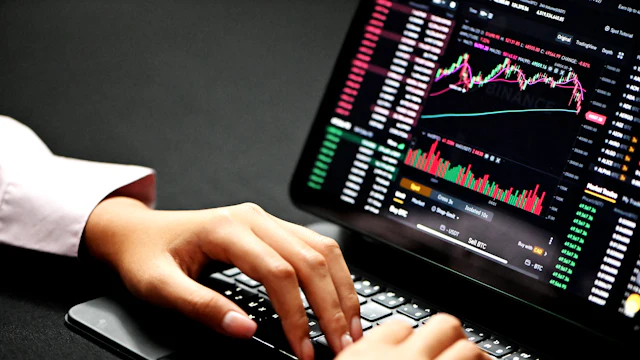
What Webull actually offers
Webull is a commission-free trading app that launched its US brokerage service in 2018, growing out of a company originally established a couple of years earlier. It offers trading in stocks, ETFs, and options with no per-trade commission, along with a growing selection of cryptocurrencies and some bond trading, though it does not currently offer mutual funds, which is worth knowing if that's a core part of your investing approach. There's no minimum deposit required to open an account, which, combined with the zero-commission structure, has made it a popular entry point for newer investors.
Charting, paper trading, and who stands behind the app
Webull's clearest differentiator is the depth of its charting and technical-analysis tools, which are unusually sophisticated for a free app and rival features typically reserved for paid professional platforms elsewhere. It also offers a genuinely capable paper trading feature, letting users test strategies with simulated money before committing real capital — useful for anyone still building confidence with options or more active trading approaches. Options trades carry no per-contract fee in most cases, though as with any commission-free model, Webull, like many brokers, earns a meaningful share of its revenue from payment for order flow rather than direct trading commissions. In the US, Webull Financial LLC is a registered broker-dealer and a member of FINRA and the Securities Investor Protection Corporation (SIPC), and is subject to SEC oversight. On ownership, Webull's origins trace back to a China-based fintech company, and its founder has reportedly retained a substantial degree of control over the business as it has evolved, including through a 2025 US public listing; this history has drawn attention from some US lawmakers and, in at least one case, a state government restricting the app on government devices, generally citing concerns about data security and ties to China, and Webull has stated it has restructured its corporate arrangements to address such concerns. Given that this is an evolving and politically sensitive area, anyone concerned about it should look into Webull's current, publicly disclosed ownership structure directly rather than relying on any single summary, including this one.
- No account minimum is required to start.
- Charting tools include a wide range of technical indicators not commonly offered for free elsewhere.
- Paper trading lets new users practice, including with options, before risking real money.
- Crypto trading is available, though positions generally track price exposure rather than allowing withdrawal to an external wallet — confirm current terms before assuming otherwise.
Plain Investor score
Webull
Scores reflect Plain Investor's own methodology as of September 2026 and are not personalized advice. Plain Investor is not affiliated with, sponsored by, or paid by Webull. Always verify current fees, regulation, and features directly with the broker before opening an account. Methodology · How we make money
Webull earned its following by giving away charting tools that used to be a paid extra — the open question for some users is less about the app's features and more about who ultimately stands behind the company.
Who it's for, and who might want to look elsewhere
Webull is a strong fit for cost-conscious, self-directed investors and active traders who want free, capable charting tools and a way to practice strategies before trading live. It's a weaker fit for anyone who specifically wants mutual funds, or who wants to avoid brokers whose ownership history has drawn regulatory and political scrutiny in the US, even where that scrutiny has not resulted in findings against the brokerage itself. Fees, features, and regulatory and ownership details change over time; always confirm current terms on Webull's own site before opening an account.
This article is educational and general in nature. It isn’t personalized investment, tax, or legal advice — always weigh your own circumstances, or talk to a licensed professional, before making financial decisions.
Keep reading
Related guides on this topic.
 Broker Reviews
Pepperstone Review 2026: Fees, Platforms, and Who It's For
Founded in Australia in 2010, Pepperstone built its reputation on tight raw spreads and a wide choice of platforms — a strong pick for active forex and CFD traders, not for anyone looking to own assets outright.
 Broker Reviews
Capital.com Review 2026: CFD Trading, Fees, Regulation and Who It's For
Capital.com is a large, regulated CFD broker with a well-built app, MT4, MT5 and TradingView, spread-based pricing and, since September 2026, commission-free real shares and ETFs in Europe. Here is what it costs, how it is regulated and who it suits.
 Broker Reviews
Plus500 Review 2026: Fees, Platform, and Who It's For
Plus500 is a CFD-only broker with a simple proprietary platform and a spread-based fee model — a straightforward but leveraged way to speculate on price moves, not to own assets.
 Broker Reviews
Saxo Bank Review 2026: Fees, Safety, Platforms and Who It’s For
Saxo Bank is a licensed Danish bank offering direct ownership of more than 19,000 stocks plus bonds, options and futures on dozens of exchanges. Here is what it costs in 2026, how your money is protected, and who its breadth is worth paying for.
 Broker Reviews
Charles Schwab Review 2026: Fees, Platforms, and Who It Suits
After absorbing TD Ameritrade's thinkorswim platform, Schwab pairs commission-free trading with some of the deepest research tools in the industry.
 Broker Reviews
Trading 212 Review 2026: Fees, ISA, SIPP, Interest on Cash and Safety
No commission, a 0.15% currency fee, interest on cash and an ISA, cash ISA and SIPP in one app: what Trading 212 really costs in 2026, how your money is protected, and where it falls short.